The Complete Overview to Exploring Your Neighborhood Meat Market: Benefits and Offerings
Exploring a neighborhood meat market can expose a series of benefits that prolong past plain shopping. These markets frequently supply fresher and extra varied alternatives contrasted to standard supermarket. They also offer an opportunity to involve with knowledgeable staff who can direct clients in their selections. The advantages do not quit there. Recognizing the wider effects of regional sourcing might alter the method one approaches meat consumption completely. What other insights await those going to explore?
Understanding the Value of Neighborhood Sourcing
Many consumers may overlook the benefits, regional sourcing in meat markets provides considerable advantages that expand beyond mere ease. By purchasing meat from neighborhood vendors, consumers frequently appreciate fresher items, as these meats are generally refined and offered quicker than those sourced from distant ranches. This quality not just boosts taste however also sustains better dietary worth
Local sourcing adds to the local economy, aiding tiny farmers and companies prosper while minimizing the carbon impact associated with long-distance transportation. Customers can additionally acquire a deeper understanding of the sourcing practices, promoting a link to the local agricultural neighborhood. This openness usually leads to higher animal well-being standards, as regional producers are a lot more likely to carry out ethical methods. Ultimately, selecting in your area sourced meats equips customers to make informed decisions that profit both their health and wellness and their community, developing a much more sustainable food system.
Checking Out Special Cuts and Specialized Meats
Local meat markets usually include one-of-a-kind cuts and specialty meats that may not be located in bigger supermarket. These artisan offerings can include rare ranges, showcasing the variety of local livestock. Checking out these alternatives permits customers to find new flavors and support local farmers.
Local Craftsmen Offerings
What special flavors and structures wait for at an area meat market? Neighborhood artisan offerings present a selection of distinctive cuts and specialty meats that deal with diverse cooking choices. From heritage breeds to dry-aged beef, consumers can uncover high-quality items not typically found in grocery stores. Artisan butchers frequently concentrate on honest and lasting sourcing, making sure that meats are increased humanely and with treatment. Special prep work, such as house-made sausages and charcuterie, showcase the abilities and imagination of regional artisans, inviting expedition and trial and error in home food preparation. Additionally, seasonal offerings highlight regional tastes, allowing consumers to get in touch with their community and assistance small companies. Welcoming these artisan products can raise any dish and enhance the overall eating experience.
Uncommon Meat Ranges
Checking out the offerings at a community meat market reveals an interesting selection of rare meat ranges that can raise cooking experiences. Distinct cuts such as bison ribeye, lamb neck, and goat shoulder deal customers the chance to explore tastes and structures that differ from traditional meats (meat delivery near me). Specialty products like venison, swine, and even video game birds supply a preference of the unique, appealing to daring tastes buds. In addition, these markets commonly resource sustainably raised pets, ensuring high quality and honest techniques. Well-informed butchers can advise cooking methods and pairings, enhancing the general eating experience. By welcoming these uncommon varieties, home chefs can create unforgettable meals that commemorate varied cooking practices and display the splendor of neighborhood agriculture
The Importance of Sustainability in Meat Manufacturing
Sustainability in meat manufacturing plays a vital duty fit honest farming techniques and reducing ecological influence. By focusing on neighborhood sourcing, consumers can support ranches that prioritize pet well-being and lasting methods. This focus not just profits the community however additionally cultivates a more powerful connection between producers and their communities.
Ethical Farming Practices
How do moral farming methods add to a much more sustainable meat production system? These practices focus on pet well-being, making sure that animals are increased in humane conditions. By giving pets with appropriate area, access to field, and an all-natural diet, moral farming boosts their health and wellness and wellness, leading to higher-quality meat products. Moreover, ethical farms typically implement rotational grazing and various other lasting methods that promote soil health and wellness and biodiversity. This method decreases reliance on artificial inputs and aids keep regional communities. Furthermore, moral farming cultivates a connection in between producers and customers, urging transparency and accountability in the food supply chain. Inevitably, these methods not just benefit animals but likewise contribute to a much more sustainable and resistant farming system.
Environmental Influence Reduction
As the demand for meat proceeds to rise, the relevance of lowering environmental influences in meat production comes to be increasingly obvious. Conventional meat production is connected to considerable greenhouse gas emissions, deforestation, and water deficiency. Sustainable practices, such as rotational grazing and incorporated crop-livestock systems, can reduce these impacts by promoting dirt health and lowering reliance on chemical inputs. In addition, purchasing neighborhood meat markets encourages manufacturers to adopt environmentally friendly techniques, as customers increasingly prioritize sustainability. By picking meat resources that prioritize animal well-being and ecological stewardship, people can add to a more sustainable food system. Inevitably, understanding the environmental ramifications of meat production helpful site equips customers to make enlightened options that support both their health and wellness and the world's well-being.
Regional Sourcing Advantages
While many consumers may not realize it, neighborhood sourcing of meat significantly enhances sustainability in food production. By sustaining local ranches, customers decrease the carbon footprint connected with long-distance transport. Additionally, regional meat manufacturers commonly use much more humane and eco-friendly methods compared to large-scale commercial procedures. This method promotes biodiversity and promotes animal welfare. Local sourcing enhances the regional economy by maintaining funds within the neighborhood and encouraging lasting farming practices. It also allows consumers to create a much deeper link with their food sources, fostering transparency in production approaches. Eventually, prioritizing regional meat not only benefits specific health yet also contributes positively to environmental sustainability, making it an accountable selection for diligent customers.

Building Relationships With Your Butcher
Constructing a rapport with a neighborhood butcher can considerably improve the meat-buying experience. Developing a connection cultivates depend on, allowing customers to seek customized suggestions customized to their sustainable meat delivery culinary demands. A well-informed butcher can offer insights into the best cuts for particular recipes, prep work techniques, and cooking times, changing a straightforward purchasing trip right into an educational experience.
In addition, routine communications can cause exclusive offers or accessibility to specialized things not available to the public. A butcher who recognizes their customers is a lot more most likely to prioritize high quality and quality, guaranteeing complete satisfaction with every acquisition. In addition, this relationship can influence a feeling of area, as customers feel more linked to the local food network. Engaging with a butcher not just enhances the consumer's understanding of meat items but likewise supports regional services, developing an equally advantageous partnership that grows on trust and quality service.
Tips for Selecting the very best Meats
When selecting the best meats, consumers must concentrate on numerous vital factors that guarantee both quality and flavor. First, quality is vital; meat should have a vibrant color and a clean, enjoyable aroma. Consumers must also check out the marbling, as intramuscular fat improves inflammation and taste. Furthermore, comprehending the cut is necessary; different cuts offer different cooking methods and recipes, so knowing the planned use can guide options properly.
One more vital facet is sourcing; buying from respectable suppliers or regional butchers often implies higher top quality requirements. Customers must ask about the meat's beginning and any methods associated with animal welfare or feeding. Checking for proper product packaging and storage at the market can suggest how well the meat has been cared for. By considering these factors, customers can make informed decisions that lead to an extra gratifying cooking experience.
Supporting Neighborhood Economic Situations and Neighborhoods
Supporting local economies and communities is an often-overlooked benefit of purchasing at local meat markets. They contribute directly to the livelihood of regional farmers, breeders, and artisans when customers choose to buy from these facilities. This assistance cultivates a sustainable agricultural system and reinforces regional economies, as cash invested locally has a tendency to distribute within the area, creating jobs and boosting neighborhood infrastructure.
Furthermore, neighborhood meat markets often resource their products from neighboring farms, lowering transportation prices and carbon impacts. This not just promotes ecological sustainability but also allows customers to delight in fresher, higher-quality meats.
In addition, these markets typically involve in community efforts, such as supporting or sponsoring local events food financial institutions. By focusing on local meat markets, consumers play a crucial role in nurturing their areas and guaranteeing the survival of tiny organizations, which ultimately enriches the social fabric of the area.
Frequently Asked Concerns

What Are the Normal Operating Hours of Local Meat Markets?
Normal operating hours for regional meat markets typically vary, however lots of open in between 7 AM and 9 AM, shutting in between 5 PM and 7 lamb online delivery PM. Some may likewise offer prolonged hours on weekend breaks for ease.
Do Regional Meat Markets Deal Delivery Solutions?
Numerous neighborhood meat markets do offer delivery solutions, although schedule differs by location. Consumers need to inquire directly with their neighborhood market to verify whether this solution is given and any kind of associated fees or problems.
Are There Vegetarian Options Available at Meat Markets?
Many neighborhood meat markets do supply vegetarian alternatives, such as plant-based sausages, marinated vegetables, and specialized cheeses. These options satisfy varied dietary choices, appealing to both meat enthusiasts and those seeking meat options.
Just How Can I Locate a Neighborhood Meat Market Near Me?
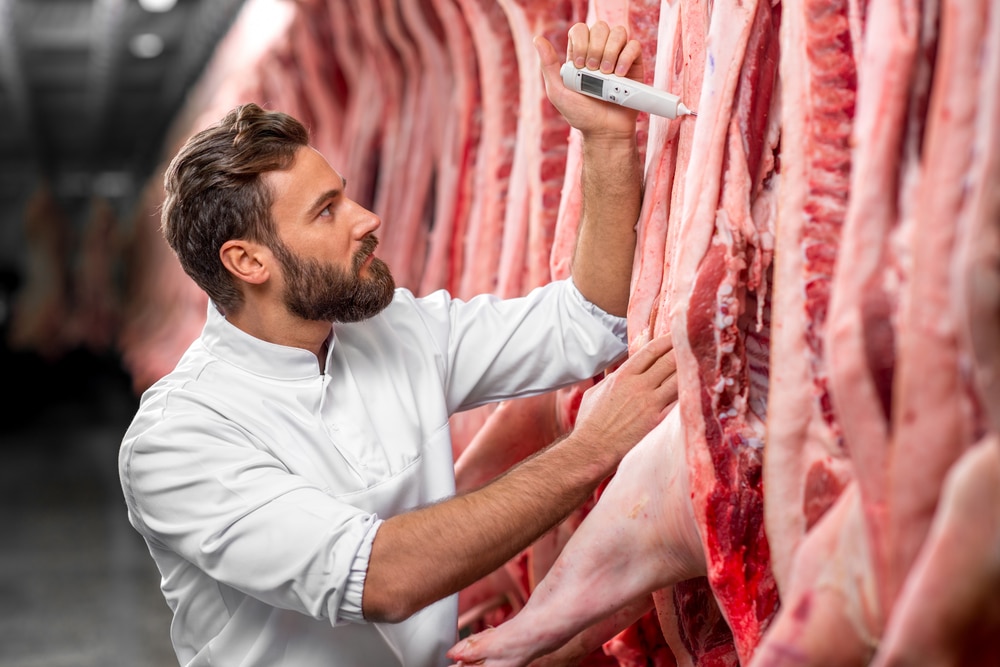

To discover a regional meat market, one can look online via maps or directories, ask neighbors for recommendations, or browse through regional farmers' markets that frequently feature vendors specializing in meat items.
What Payment Techniques Do Regional Meat Markets Accept?
Local meat markets typically approve various repayment approaches, including debit, credit score, and money cards. Some might also supply mobile payment options or loyalty programs, boosting benefit and encouraging repeat business amongst their customers.
By purchasing meat from local suppliers, customers commonly appreciate fresher products, as these meats are typically refined and marketed much more rapidly than those sourced from distant ranches. Neighborhood meat markets usually feature special cuts and specialty meats that might not be located in larger grocery store stores. Exploring the offerings at a community meat market discloses an appealing choice of uncommon meat ranges that can raise cooking experiences - bagleys edwardsville il. As the demand for meat proceeds to climb, the relevance of decreasing ecological influences in meat manufacturing ends up being increasingly obvious. Sustaining local economic climates and communities is an often-overlooked advantage of shopping at local meat markets